Blog

10 Ways to Boost Your Fitness Motivation When Y...

FITFUN FAITH

Feeling stuck can make it hard to start moving again. This guide offers 10 practical tips to boost your fitness motivation. These strategies help you stay on track with your exercise goals. Fitness motivation is key for long-term health benefits. It improves your heart health, boosts strength, lifts your mood, and helps you sleep better. fitness motivation Fitness motivation is the drive to start and keep exercising. When motivation drops, it's hard to keep going. To stay motivated, you need to keep engaging with your workouts. This article offers a range of tips, from psychological methods to simple lifestyle changes. The ten ways include setting clear goals, refreshing your routine, and using short-term milestones. You'll also find tips on trying new workouts, adding a workout buddy, and using motivational quotes and videos. These tips are designed to help you achieve your fitness goals. They can help you overcome fitness plateaus and stay on track. Start applying these strategies today to reach your fitness goals. Key Takeaways Motivation to get started matters for long-term health and consistency. Clear definitions help identify lack of motivation and how to stay motivated. The article covers psychological and practical tactics to boost drive. Mix short-term wins with routine changes to vanquish fitness slumps. Simple shifts in environment, nutrition, and mindset improve results. Understand why motivation dips and how to find motivation Feeling stuck on your fitness journey? Start by finding out why. Mood swings, work stress, poor sleep, and hitting a plateau can all lower your motivation. Overtraining and small injuries can lead to burnout. Look out for signs like lasting fatigue, dropping performance, irritability, and losing interest in gym sessions. Knowing the cause helps you find your motivation again. A short break, better sleep, or adjusting your diet can boost your energy. Lightening your training plan or swapping high-intensity days for recovery can help too. Tracking your sleep and daily energy levels helps understand when progress stalls. Common causes of lack of motivation Many people face similar challenges. Unrealistic goals can lead to disappointment. Work or family demands can cut into your workout time. Seasonal changes and low vitamin D can affect your mood. Comparing yourself to others on social media can also damage your confidence. These factors can make it hard to stay motivated for both short and long-term goals. Clear signs of burnout need attention. Feeling sore for days, losing strength, or dreading training means your body is telling you to rest. A short, documented break can prevent longer setbacks. Difference between intrinsic motivation and external motivation Intrinsic motivation comes from within. Enjoying lifting because it feels satisfying or valuing health is an example. This type of motivation leads to steady habits and long-term gains. External motivation, on the other hand, relies on rewards outside yourself. Getting compliments, likes on social media, or new gear can motivate you. But, this motivation fades when the reward is gone. Self-determination theory says intrinsic motivation builds deeper commitment. For example, tracking strength increases can keep you training consistently. But, someone seeking applause for a workout selfie may stop when feedback dries up. How to assess current fitness level and reset expectations Start with a clear baseline to set smart goals. Simple measures like resting heart rate, sleep quality, and basic tasks like a timed mile or a plank hold work well. Add a quick mobility screen for hips and shoulders. Record these in a short log. Reset timelines to be realistic. Strength gains show in weeks, body composition shifts need months, and endurance improvements take steady months of work. Use your baseline log to celebrate small gains and avoid comparing progress to others. Metric What it shows...

10 Ways to Boost Your Fitness Motivation When Y...

FITFUN FAITH

Feeling stuck can make it hard to start moving again. This guide offers 10 practical tips to boost your fitness motivation. These strategies help you stay on track with your exercise goals. Fitness motivation is key for long-term health benefits. It improves your heart health, boosts strength, lifts your mood, and helps you sleep better. fitness motivation Fitness motivation is the drive to start and keep exercising. When motivation drops, it's hard to keep going. To stay motivated, you need to keep engaging with your workouts. This article offers a range of tips, from psychological methods to simple lifestyle changes. The ten ways include setting clear goals, refreshing your routine, and using short-term milestones. You'll also find tips on trying new workouts, adding a workout buddy, and using motivational quotes and videos. These tips are designed to help you achieve your fitness goals. They can help you overcome fitness plateaus and stay on track. Start applying these strategies today to reach your fitness goals. Key Takeaways Motivation to get started matters for long-term health and consistency. Clear definitions help identify lack of motivation and how to stay motivated. The article covers psychological and practical tactics to boost drive. Mix short-term wins with routine changes to vanquish fitness slumps. Simple shifts in environment, nutrition, and mindset improve results. Understand why motivation dips and how to find motivation Feeling stuck on your fitness journey? Start by finding out why. Mood swings, work stress, poor sleep, and hitting a plateau can all lower your motivation. Overtraining and small injuries can lead to burnout. Look out for signs like lasting fatigue, dropping performance, irritability, and losing interest in gym sessions. Knowing the cause helps you find your motivation again. A short break, better sleep, or adjusting your diet can boost your energy. Lightening your training plan or swapping high-intensity days for recovery can help too. Tracking your sleep and daily energy levels helps understand when progress stalls. Common causes of lack of motivation Many people face similar challenges. Unrealistic goals can lead to disappointment. Work or family demands can cut into your workout time. Seasonal changes and low vitamin D can affect your mood. Comparing yourself to others on social media can also damage your confidence. These factors can make it hard to stay motivated for both short and long-term goals. Clear signs of burnout need attention. Feeling sore for days, losing strength, or dreading training means your body is telling you to rest. A short, documented break can prevent longer setbacks. Difference between intrinsic motivation and external motivation Intrinsic motivation comes from within. Enjoying lifting because it feels satisfying or valuing health is an example. This type of motivation leads to steady habits and long-term gains. External motivation, on the other hand, relies on rewards outside yourself. Getting compliments, likes on social media, or new gear can motivate you. But, this motivation fades when the reward is gone. Self-determination theory says intrinsic motivation builds deeper commitment. For example, tracking strength increases can keep you training consistently. But, someone seeking applause for a workout selfie may stop when feedback dries up. How to assess current fitness level and reset expectations Start with a clear baseline to set smart goals. Simple measures like resting heart rate, sleep quality, and basic tasks like a timed mile or a plank hold work well. Add a quick mobility screen for hips and shoulders. Record these in a short log. Reset timelines to be realistic. Strength gains show in weeks, body composition shifts need months, and endurance improvements take steady months of work. Use your baseline log to celebrate small gains and avoid comparing progress to others. Metric What it shows...

The Science of Fitness Motivation: How Your Bra...

FITFUN FAITH

fitness motivation This article dives into how your brain, psychology, and environment work together to keep you motivated to exercise. It's for people in the United States looking to get moving or stay on track with their fitness goals. The aim is to provide helpful, science-backed advice to make staying motivated easier. Fitness motivation comes from a mix of brain signals, thinking, emotions, and surroundings. It's what gets you to start and keep exercising. Short-term motivation gets you ready for a workout, while long-term motivation helps you reach your fitness goals over time. The article breaks down into simple steps. It starts with the science: how dopamine, the brain's reward system, affects our actions. Then, it looks at the psychology behind motivation and setting goals. Next, it shares strategies for changing your behavior and environment to boost motivation. It ends with tips on how to keep your fitness journey going. This includes using tools, media, and making your environment more supportive. The goal is to give you actionable steps to stay motivated and reach your fitness goals. Key Takeaways Fitness motivation blends brain chemistry, thinking skills, emotions, and environment. Short-term motivation helps to get motivated now; long-term motivation helps achieve your fitness goals. Understanding reward systems and self-control makes it easier to start your fitness routine. Practical tactics like cues, tracking, and social support help people stay motivated to workout. The article offers science-backed, friendly steps to keep a consistent fitness journey. How the Brain Drives Exercise Behavior: Neuroscience Behind Motivation The brain plays a big role in why we go to the gym. It creates pathways and sends signals that make exercise a habit. This helps us understand why we keep going back to the gym. Reward systems and dopamine: why workouts feel good The mesolimbic dopamine pathway is key. It connects the ventral tegmental area to the nucleus accumbens. Exercise triggers dopamine release, making us feel good and want to do it again. Endogenous opioids and endocannabinoids also play a part. They add to the reward, creating the famous runner’s high. This makes us remember the good feelings and want to exercise more. Role of the prefrontal cortex in planning and self-control The prefrontal cortex is in charge of planning and self-control. It helps us make decisions and stick to plans. This is what turns goals into actions. Improving sleep and managing stress are key. They help us stay consistent with our workouts. This boosts our motivation to exercise regularly. Stress, cortisol, and their impact on workout consistency Chronic stress raises cortisol, which can make us tired and disrupt sleep. This makes it harder to stay motivated. Acute stress might give us a temporary energy boost, but too much leads to burnout. Recovery days and mindfulness help lower cortisol levels. This protects our motivation to keep exercising. It keeps us going even when things get tough. Neuroplasticity and forming long-term exercise habits Neuroplasticity allows our brains to change with repeated actions. Regular exercise strengthens the connections in our brain. This makes exercise a natural part of our routine. Using techniques like habit reversal and celebrating small wins helps. Over time, we become more motivated from within. Our brains adapt to support our long-term gym goals. fitness motivation: Psychological Factors That Influence Workout Habits The mind plays a big role in how we act. Knowing what drives us can help us stay motivated and keep up with our routines. This includes understanding how our beliefs and rewards affect our effort, and making choices that keep us going. intrinsic motivation...

The Science of Fitness Motivation: How Your Bra...

FITFUN FAITH

fitness motivation This article dives into how your brain, psychology, and environment work together to keep you motivated to exercise. It's for people in the United States looking to get moving or stay on track with their fitness goals. The aim is to provide helpful, science-backed advice to make staying motivated easier. Fitness motivation comes from a mix of brain signals, thinking, emotions, and surroundings. It's what gets you to start and keep exercising. Short-term motivation gets you ready for a workout, while long-term motivation helps you reach your fitness goals over time. The article breaks down into simple steps. It starts with the science: how dopamine, the brain's reward system, affects our actions. Then, it looks at the psychology behind motivation and setting goals. Next, it shares strategies for changing your behavior and environment to boost motivation. It ends with tips on how to keep your fitness journey going. This includes using tools, media, and making your environment more supportive. The goal is to give you actionable steps to stay motivated and reach your fitness goals. Key Takeaways Fitness motivation blends brain chemistry, thinking skills, emotions, and environment. Short-term motivation helps to get motivated now; long-term motivation helps achieve your fitness goals. Understanding reward systems and self-control makes it easier to start your fitness routine. Practical tactics like cues, tracking, and social support help people stay motivated to workout. The article offers science-backed, friendly steps to keep a consistent fitness journey. How the Brain Drives Exercise Behavior: Neuroscience Behind Motivation The brain plays a big role in why we go to the gym. It creates pathways and sends signals that make exercise a habit. This helps us understand why we keep going back to the gym. Reward systems and dopamine: why workouts feel good The mesolimbic dopamine pathway is key. It connects the ventral tegmental area to the nucleus accumbens. Exercise triggers dopamine release, making us feel good and want to do it again. Endogenous opioids and endocannabinoids also play a part. They add to the reward, creating the famous runner’s high. This makes us remember the good feelings and want to exercise more. Role of the prefrontal cortex in planning and self-control The prefrontal cortex is in charge of planning and self-control. It helps us make decisions and stick to plans. This is what turns goals into actions. Improving sleep and managing stress are key. They help us stay consistent with our workouts. This boosts our motivation to exercise regularly. Stress, cortisol, and their impact on workout consistency Chronic stress raises cortisol, which can make us tired and disrupt sleep. This makes it harder to stay motivated. Acute stress might give us a temporary energy boost, but too much leads to burnout. Recovery days and mindfulness help lower cortisol levels. This protects our motivation to keep exercising. It keeps us going even when things get tough. Neuroplasticity and forming long-term exercise habits Neuroplasticity allows our brains to change with repeated actions. Regular exercise strengthens the connections in our brain. This makes exercise a natural part of our routine. Using techniques like habit reversal and celebrating small wins helps. Over time, we become more motivated from within. Our brains adapt to support our long-term gym goals. fitness motivation: Psychological Factors That Influence Workout Habits The mind plays a big role in how we act. Knowing what drives us can help us stay motivated and keep up with our routines. This includes understanding how our beliefs and rewards affect our effort, and making choices that keep us going. intrinsic motivation...

Why Fitness Motivation Starts with Mindset, Not Just Workouts

Why Fitness Motivation Starts with Mindset, Not...

FITFUN FAITH

Why Fitness Motivation Starts with Mindset, Not Just Workouts fitness motivation Many people look for the latest fitness gadgets and classes to get motivated. But research by Carol Dweck and Albert Bandura reveals a different truth. It's our beliefs and identity that drive us to keep going. When we believe we can improve, we're more likely to keep exercising. This leads to achieving our fitness goals over time. This article shows why mindset is more important than any workout. It talks about how a growth mindset and high self-efficacy lead to better results. It also shares tips on turning short gym motivation into lasting habits. Readers will learn to spot common barriers like lack of motivation and fear of failure. They'll find practical ways to use motivational quotes and gym environments to stay on track. With a mindset plan, anyone can find the motivation to start and keep going through challenges. Key Takeaways Mindset drives consistent behavior and long-term results more than gear or single workouts. Growth mindset and self-efficacy are linked to higher exercise adherence and better outcomes. Short-term gym motivation helps, but internal beliefs sustain progress toward fitness goals. Recognize barriers like comparison and fear of failure to convert them into action. Process-focused goals, routines, and accountability help people achieve your fitness aims. Understanding the Role of Mindset in Fitness Motivation Mindset plays a big role in how we handle exercise plans and setbacks. It's about our beliefs and why some stick to routines while others quit. This section explores the psychology of fitness motivation and how to spot mindset barriers. Defining fixed vs. growth mindset and how it affects effort Carol Dweck introduced the fixed and growth mindsets. A fixed mindset sees ability as unchangeable. People with this mindset avoid challenges to protect their talent. A growth mindset believes ability can grow with effort. Those with this mindset see setbacks as chances to learn. They keep trying new things and show up even when progress is slow. How beliefs shape behavior: self-efficacy, internal motivation, and long-term adherence Albert Bandura's self-efficacy talks about believing in our ability to do tasks. High self-efficacy in exercise means starting strong and staying consistent. People who believe in themselves set achievable goals and keep going after failures. Internal motivation comes from enjoying the process, feeling a sense of mastery, or wanting to be healthy. This kind of motivation helps build lasting habits and improves well-being. While external rewards can start us off, it's internal rewards that keep us going. Common mindset barriers: lack of motivation, fear of failure, and comparison Some struggle with motivation after a busy week, while others face a chronic lack of motivation. Missing goals often leads to guilt, making us less likely to try again. Fear of failure makes us avoid challenges. Perfectionism can cause us to skip workouts, fearing we're not good enough. This fear lowers our confidence and makes it hard to keep going. Comparison to others on social media can set unrealistic standards. Following fitness influencers can inspire us, but it can also make us feel like we're not doing enough. Marketing that promises quick fixes can distract us from building lasting habits. Signs that mindset is holding you back include often canceling workouts, thinking in all-or-nothing terms, and relying too much on motivational videos. Recognizing these signs can help us focus on building lasting motivation and change. fitness motivation: Why It’s More Than Just Showing Up to the Gym Many think fitness motivation is just about going to the gym. But real change happens when values and habits match. Enjoying movement, valuing health, or chasing mastery keeps you going. These reasons are stronger than chasing likes or a number on the scale. fitness motivation...

Why Fitness Motivation Starts with Mindset, Not...

FITFUN FAITH

Why Fitness Motivation Starts with Mindset, Not Just Workouts fitness motivation Many people look for the latest fitness gadgets and classes to get motivated. But research by Carol Dweck and Albert Bandura reveals a different truth. It's our beliefs and identity that drive us to keep going. When we believe we can improve, we're more likely to keep exercising. This leads to achieving our fitness goals over time. This article shows why mindset is more important than any workout. It talks about how a growth mindset and high self-efficacy lead to better results. It also shares tips on turning short gym motivation into lasting habits. Readers will learn to spot common barriers like lack of motivation and fear of failure. They'll find practical ways to use motivational quotes and gym environments to stay on track. With a mindset plan, anyone can find the motivation to start and keep going through challenges. Key Takeaways Mindset drives consistent behavior and long-term results more than gear or single workouts. Growth mindset and self-efficacy are linked to higher exercise adherence and better outcomes. Short-term gym motivation helps, but internal beliefs sustain progress toward fitness goals. Recognize barriers like comparison and fear of failure to convert them into action. Process-focused goals, routines, and accountability help people achieve your fitness aims. Understanding the Role of Mindset in Fitness Motivation Mindset plays a big role in how we handle exercise plans and setbacks. It's about our beliefs and why some stick to routines while others quit. This section explores the psychology of fitness motivation and how to spot mindset barriers. Defining fixed vs. growth mindset and how it affects effort Carol Dweck introduced the fixed and growth mindsets. A fixed mindset sees ability as unchangeable. People with this mindset avoid challenges to protect their talent. A growth mindset believes ability can grow with effort. Those with this mindset see setbacks as chances to learn. They keep trying new things and show up even when progress is slow. How beliefs shape behavior: self-efficacy, internal motivation, and long-term adherence Albert Bandura's self-efficacy talks about believing in our ability to do tasks. High self-efficacy in exercise means starting strong and staying consistent. People who believe in themselves set achievable goals and keep going after failures. Internal motivation comes from enjoying the process, feeling a sense of mastery, or wanting to be healthy. This kind of motivation helps build lasting habits and improves well-being. While external rewards can start us off, it's internal rewards that keep us going. Common mindset barriers: lack of motivation, fear of failure, and comparison Some struggle with motivation after a busy week, while others face a chronic lack of motivation. Missing goals often leads to guilt, making us less likely to try again. Fear of failure makes us avoid challenges. Perfectionism can cause us to skip workouts, fearing we're not good enough. This fear lowers our confidence and makes it hard to keep going. Comparison to others on social media can set unrealistic standards. Following fitness influencers can inspire us, but it can also make us feel like we're not doing enough. Marketing that promises quick fixes can distract us from building lasting habits. Signs that mindset is holding you back include often canceling workouts, thinking in all-or-nothing terms, and relying too much on motivational videos. Recognizing these signs can help us focus on building lasting motivation and change. fitness motivation: Why It’s More Than Just Showing Up to the Gym Many think fitness motivation is just about going to the gym. But real change happens when values and habits match. Enjoying movement, valuing health, or chasing mastery keeps you going. These reasons are stronger than chasing likes or a number on the scale. fitness motivation...

The Power of Positive Affirmations in Your Fitness Journey

The Power of Positive Affirmations in Your Fitn...

FITFUN FAITH

Positive affirmations are short, present-tense statements like "I am strong" or "I can do this". They shape our self-talk and change negative beliefs. They are easy to say and fit well into fitness plans at gyms and personal training. This article shows how affirmations boost fitness motivation. It helps people get and stay motivated to reach their fitness goals. It's for everyone, from newbies to seasoned athletes, linking simple statements to real progress. Practical benefits include more consistency, less delay, higher self-confidence, and better nutrition and recovery. Readers will see clearer results: sticking to gym sessions, hitting milestones, and keeping motivation high. The guide is friendly and based on solid evidence. It mixes psychology and neuroscience with easy-to-follow rituals, tips, videos, and quotes. It also shares real-life examples. Later, it will cover mindset, creating affirmations, daily habits, using external motivation, overcoming obstacles, and inspiring stories to reach your fitness goals. Key Takeaways Affirmations are brief, present-tense statements that reframe self-talk and boost confidence. They support behavior change models used in gyms and personal training programs. Using affirmations can increase consistency and reduce procrastination in a fitness journey. Affirmations help people get motivated and stay motivated across all fitness levels. This guide will offer psychology, neuroscience, rituals, and tools to achieve your fitness goals. How Positive Affirmations Influence Mindset and Behavior Positive affirmations change how we think about effort, goals, and who we are. Psychology shows they boost self-confidence, which is key to taking action. When we use positive self-talk, negative thoughts fade, and we focus better at the gym. Changing our thoughts can change how we feel and act. Simple phrases like "I can try today" can stop negative thoughts. This makes it easier to stick to a workout plan. Neuroscience reveals how our brain changes with positive self-talk. The part of our brain that plans and controls gets stronger. This helps us handle stress during hard workouts and feel rewarded for our efforts. These brain changes help us form good habits. When we link positive affirmations with action, workouts become second nature. This boosts our internal motivation, making us feel more confident and in line with our values. Our words shape our actions. Saying "I will try" instead of "I can't" can improve our performance. Adding specific cues, like wearing certain clothes, can make our workouts more consistent. The right environment can support or undermine our progress. Using affirmations wisely means linking words with actions. Short, achievable statements prompt us to act. If we find ourselves repeating phrases without action, we can make a plan to follow through. This mix of psychology, neuroscience, and behavior offers practical tips for staying motivated. It works for everyone, from beginners to experienced athletes. It helps keep our motivation strong in the fitness world. Fitness motivation: Using Affirmations to Stay on Track fitness motivation tips Affirmations are most effective when they are short and in the present tense. They should be believable and tied to action. For example, saying "I complete my 30-minute workout today" links a thought to a specific action. People looking to get motivated find clear statements replace vague intentions. This helps them stay focused on their health goals. Make affirmations specific to your workout routine and goals. Speak in a calm, confident voice. Try to keep the affirmation under eight words. Repeat the same affirmation to build a habit. Use a trigger like gym clothes or a training app to boost motivation. Crafting short, memorable fitness affirmations Start with an action verb and a measurable target. Use present tense: "I move," "I lift," "I run." Add feelings when useful: "I feel strong after this set." Keep the affirmation believable for your current fitness level. This avoids rejection by your mind. Add sensory details like sounds or feelings to increase impact. Examples of affirmations for different fitness levels...

The Power of Positive Affirmations in Your Fitn...

FITFUN FAITH

Positive affirmations are short, present-tense statements like "I am strong" or "I can do this". They shape our self-talk and change negative beliefs. They are easy to say and fit well into fitness plans at gyms and personal training. This article shows how affirmations boost fitness motivation. It helps people get and stay motivated to reach their fitness goals. It's for everyone, from newbies to seasoned athletes, linking simple statements to real progress. Practical benefits include more consistency, less delay, higher self-confidence, and better nutrition and recovery. Readers will see clearer results: sticking to gym sessions, hitting milestones, and keeping motivation high. The guide is friendly and based on solid evidence. It mixes psychology and neuroscience with easy-to-follow rituals, tips, videos, and quotes. It also shares real-life examples. Later, it will cover mindset, creating affirmations, daily habits, using external motivation, overcoming obstacles, and inspiring stories to reach your fitness goals. Key Takeaways Affirmations are brief, present-tense statements that reframe self-talk and boost confidence. They support behavior change models used in gyms and personal training programs. Using affirmations can increase consistency and reduce procrastination in a fitness journey. Affirmations help people get motivated and stay motivated across all fitness levels. This guide will offer psychology, neuroscience, rituals, and tools to achieve your fitness goals. How Positive Affirmations Influence Mindset and Behavior Positive affirmations change how we think about effort, goals, and who we are. Psychology shows they boost self-confidence, which is key to taking action. When we use positive self-talk, negative thoughts fade, and we focus better at the gym. Changing our thoughts can change how we feel and act. Simple phrases like "I can try today" can stop negative thoughts. This makes it easier to stick to a workout plan. Neuroscience reveals how our brain changes with positive self-talk. The part of our brain that plans and controls gets stronger. This helps us handle stress during hard workouts and feel rewarded for our efforts. These brain changes help us form good habits. When we link positive affirmations with action, workouts become second nature. This boosts our internal motivation, making us feel more confident and in line with our values. Our words shape our actions. Saying "I will try" instead of "I can't" can improve our performance. Adding specific cues, like wearing certain clothes, can make our workouts more consistent. The right environment can support or undermine our progress. Using affirmations wisely means linking words with actions. Short, achievable statements prompt us to act. If we find ourselves repeating phrases without action, we can make a plan to follow through. This mix of psychology, neuroscience, and behavior offers practical tips for staying motivated. It works for everyone, from beginners to experienced athletes. It helps keep our motivation strong in the fitness world. Fitness motivation: Using Affirmations to Stay on Track fitness motivation tips Affirmations are most effective when they are short and in the present tense. They should be believable and tied to action. For example, saying "I complete my 30-minute workout today" links a thought to a specific action. People looking to get motivated find clear statements replace vague intentions. This helps them stay focused on their health goals. Make affirmations specific to your workout routine and goals. Speak in a calm, confident voice. Try to keep the affirmation under eight words. Repeat the same affirmation to build a habit. Use a trigger like gym clothes or a training app to boost motivation. Crafting short, memorable fitness affirmations Start with an action verb and a measurable target. Use present tense: "I move," "I lift," "I run." Add feelings when useful: "I feel strong after this set." Keep the affirmation believable for your current fitness level. This avoids rejection by your mind. Add sensory details like sounds or feelings to increase impact. Examples of affirmations for different fitness levels...

How Fitness Motivation is Shaped by Faith and Purpose

How Fitness Motivation is Shaped by Faith and P...

FITFUN FAITH

Fitness motivation isn't just about burning calories or seeing results. It's often driven by faith, spiritual beliefs, and a clear life purpose. When people connect their fitness to deeper values, they stay committed longer and recover faster from setbacks. For those in the United States looking to improve their fitness, this article offers valuable insights. It uses a friendly tone and combines psychological science with faith-based practices. The goal is to help you reach your fitness goals in a meaningful and lasting way. The article breaks down into clear steps. It starts by explaining how belief and meaning shape fitness motivation. Then, it shows how faith helps maintain consistency. It also provides tips on setting purpose-driven goals and staying motivated. Later, it shares motivational quotes, community strategies, and resources. These include videos and channels to help you stay on track with your fitness goals. Key Takeaways Fitness motivation can be strengthened by connecting exercise to faith and life purpose. Purpose-driven reasons improve adherence during the ups and downs of a fitness journey. The guide mixes psychological research with faith-informed practices for practical advice. Subsequent sections cover consistency, goal-setting, and daily fitness motivation tips. Readers will find tools to achieve your fitness goals in ways that align with personal values. fitness motivation: The Role of Belief and Meaning in Exercise Fitness motivation is about the thoughts and feelings that drive us to exercise. It includes our goals, habits, rewards, and what others think. When we add faith or purpose, exercise becomes more than just burning calories or looking good. Defining fitness motivation in the context of faith and purpose Seeing exercise as a way to serve others or honor our beliefs gives it deeper meaning. This view makes regular workouts a way to express who we are. For example, someone who runs to help others or follow their faith feels more motivated to keep going. How intrinsic motivation differs from external rewards Intrinsic motivation comes from enjoying the activity and feeling it's part of who we are. External rewards, like praise or social media likes, are different. Research shows that enjoying the activity itself leads to longer-lasting habits than rewards. Faith and purpose help us focus on our own goals, not just what others think. When our workouts align with our beliefs, we're driven by our own standards. This makes us less dependent on short-term rewards. Research highlights on purpose-driven adherence to a workout routine Studies show that having a strong sense of purpose helps us stick to exercise. People with clear life goals tend to exercise more and bounce back faster from setbacks. Rituals like prayer or meditation also help build habits and overcome motivation lows. Meta-analyses confirm that aligning goals with our values boosts adherence. Using quotes that reflect our values, not just outcomes, is helpful. Framing goals around meaning helps us stay focused on long-term growth, even when motivation wavers. How Faith Influences Consistency and Commitment Faith can shape how a person approaches a fitness journey by giving structure to daily life. Rituals in prayer, meditation, and communal worship create habits that translate well to a regular gym session. When a workout is treated like a daily discipline, people find it easier to stay on track and stay motivated to workout. Faith as a source of discipline and ritual for gym sessions Religious traditions offer repetitive practices that help form habit loops. A pre-workout reflection or short prayer can act as a warm-up for the mind, anchoring intention before exercise. Those rituals make a gym session predictable and manageable, which keeps someone motivated to exercise even on low-energy days. Stories and examples of faith-driven workout consistency Clergy and faith leaders often promote bodily stewardship, framing health as part of spiritual responsibility. Professional athletes such as Tim Tebow have publicly linked faith to discipline, which influences fans and teammates. Organizations like the YMCA, FaithFitness groups, and Christian fitness ministries offer classes that blend worship and training, creating accountability and community support that boosts gym motivation. Balancing religious practices with training schedules Religious observances sometimes conflict with training plans. During Ramadan or Lent, athletes adjust intensity and timing, shifting strenuous sets to cooler parts of the day or opting for low-impact sessions. Observing a Sabbath can mean scheduling a lighter workout the day before or choosing restorative activities that honor rest while maintaining momentum in the fitness journey. Challenge...

How Fitness Motivation is Shaped by Faith and P...

FITFUN FAITH

Fitness motivation isn't just about burning calories or seeing results. It's often driven by faith, spiritual beliefs, and a clear life purpose. When people connect their fitness to deeper values, they stay committed longer and recover faster from setbacks. For those in the United States looking to improve their fitness, this article offers valuable insights. It uses a friendly tone and combines psychological science with faith-based practices. The goal is to help you reach your fitness goals in a meaningful and lasting way. The article breaks down into clear steps. It starts by explaining how belief and meaning shape fitness motivation. Then, it shows how faith helps maintain consistency. It also provides tips on setting purpose-driven goals and staying motivated. Later, it shares motivational quotes, community strategies, and resources. These include videos and channels to help you stay on track with your fitness goals. Key Takeaways Fitness motivation can be strengthened by connecting exercise to faith and life purpose. Purpose-driven reasons improve adherence during the ups and downs of a fitness journey. The guide mixes psychological research with faith-informed practices for practical advice. Subsequent sections cover consistency, goal-setting, and daily fitness motivation tips. Readers will find tools to achieve your fitness goals in ways that align with personal values. fitness motivation: The Role of Belief and Meaning in Exercise Fitness motivation is about the thoughts and feelings that drive us to exercise. It includes our goals, habits, rewards, and what others think. When we add faith or purpose, exercise becomes more than just burning calories or looking good. Defining fitness motivation in the context of faith and purpose Seeing exercise as a way to serve others or honor our beliefs gives it deeper meaning. This view makes regular workouts a way to express who we are. For example, someone who runs to help others or follow their faith feels more motivated to keep going. How intrinsic motivation differs from external rewards Intrinsic motivation comes from enjoying the activity and feeling it's part of who we are. External rewards, like praise or social media likes, are different. Research shows that enjoying the activity itself leads to longer-lasting habits than rewards. Faith and purpose help us focus on our own goals, not just what others think. When our workouts align with our beliefs, we're driven by our own standards. This makes us less dependent on short-term rewards. Research highlights on purpose-driven adherence to a workout routine Studies show that having a strong sense of purpose helps us stick to exercise. People with clear life goals tend to exercise more and bounce back faster from setbacks. Rituals like prayer or meditation also help build habits and overcome motivation lows. Meta-analyses confirm that aligning goals with our values boosts adherence. Using quotes that reflect our values, not just outcomes, is helpful. Framing goals around meaning helps us stay focused on long-term growth, even when motivation wavers. How Faith Influences Consistency and Commitment Faith can shape how a person approaches a fitness journey by giving structure to daily life. Rituals in prayer, meditation, and communal worship create habits that translate well to a regular gym session. When a workout is treated like a daily discipline, people find it easier to stay on track and stay motivated to workout. Faith as a source of discipline and ritual for gym sessions Religious traditions offer repetitive practices that help form habit loops. A pre-workout reflection or short prayer can act as a warm-up for the mind, anchoring intention before exercise. Those rituals make a gym session predictable and manageable, which keeps someone motivated to exercise even on low-energy days. Stories and examples of faith-driven workout consistency Clergy and faith leaders often promote bodily stewardship, framing health as part of spiritual responsibility. Professional athletes such as Tim Tebow have publicly linked faith to discipline, which influences fans and teammates. Organizations like the YMCA, FaithFitness groups, and Christian fitness ministries offer classes that blend worship and training, creating accountability and community support that boosts gym motivation. Balancing religious practices with training schedules Religious observances sometimes conflict with training plans. During Ramadan or Lent, athletes adjust intensity and timing, shifting strenuous sets to cooler parts of the day or opting for low-impact sessions. Observing a Sabbath can mean scheduling a lighter workout the day before or choosing restorative activities that honor rest while maintaining momentum in the fitness journey. Challenge...

What’s the Secret Behind a Comfortable Exercise...

FITFUN FAITH

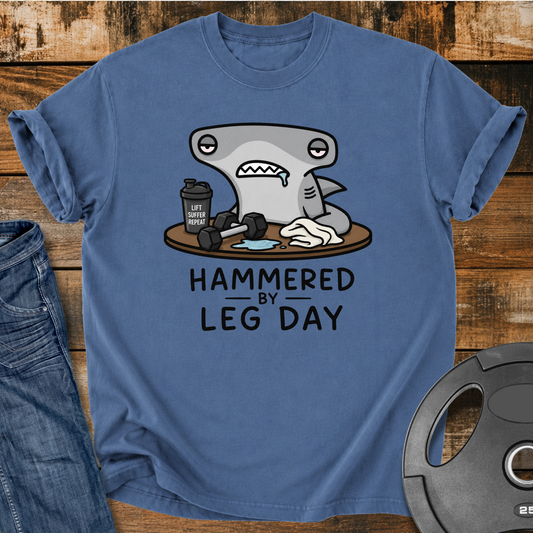
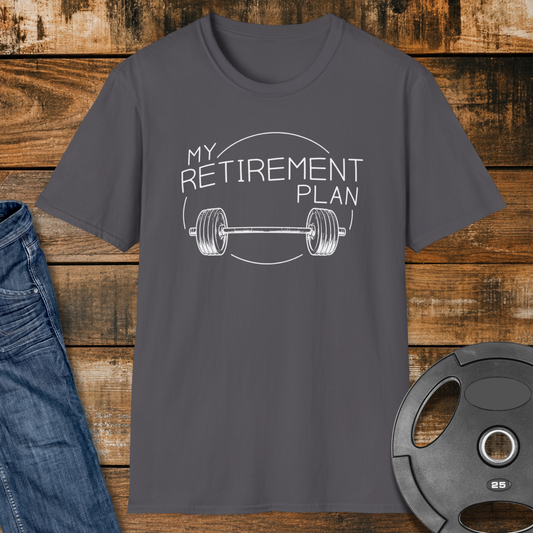
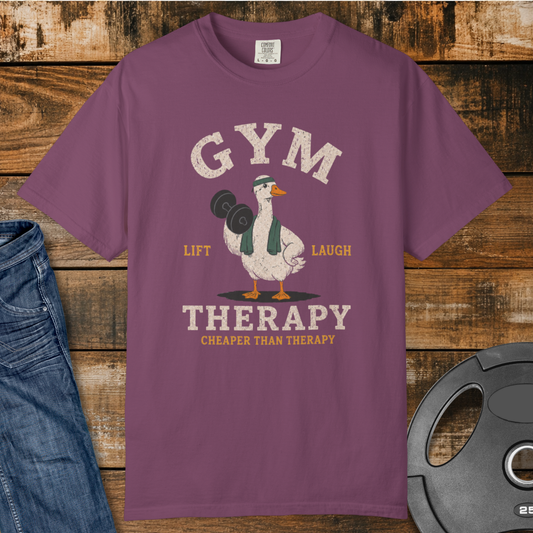
Choosing the right exercise t shirt can make a workout feel easier and more enjoyable. A great tee should be breathable, manage moisture, stretch, recover, feel light, last long, and control odors. These features help you stay cool, avoid chafing, and keep the shirt looking good after many washes. Whether you're running, doing HIIT, yoga, or just going to the gym, the right gym t-shirts support your movement and performance. They should have breathable fabrics and sweat-wicking finishes to keep you dry. Stretchy blends allow for full range of motion and recovery, so the shirt won't sag or restrict you. Durable construction and odor-control treatments ensure your workout tops are ready for many uses. Many shoppers look for a balance between performance and style for their gym-to-street wear. Later in this guide, we'll explore brands like Nike, Under Armour, Lululemon, Adidas, New Balance, and Patagonia. They offer a wide range of options available in U.S. stores and online. exercise t shirt Key Takeaways A comfortable exercise t shirt balances breathability, moisture-wicking, and stretch. Fabric choice, fit, and construction all affect performance and feel during workouts. Durability and odor control extend the life of gym t-shirts through repeated use. Performance tees can also serve as stylish workout tops for everyday wear. The article will cover fabrics, fit, design, care, shopping tips, and innovations. ❤️🔥 How Long Should a Good Exercise T Shirt Last? 💞“Shop our [workout tees designed] for both gym...

What’s the Secret Behind a Comfortable Exercise...

FITFUN FAITH

Choosing the right exercise t shirt can make a workout feel easier and more enjoyable. A great tee should be breathable, manage moisture, stretch, recover, feel light, last long, and control odors. These features help you stay cool, avoid chafing, and keep the shirt looking good after many washes. Whether you're running, doing HIIT, yoga, or just going to the gym, the right gym t-shirts support your movement and performance. They should have breathable fabrics and sweat-wicking finishes to keep you dry. Stretchy blends allow for full range of motion and recovery, so the shirt won't sag or restrict you. Durable construction and odor-control treatments ensure your workout tops are ready for many uses. Many shoppers look for a balance between performance and style for their gym-to-street wear. Later in this guide, we'll explore brands like Nike, Under Armour, Lululemon, Adidas, New Balance, and Patagonia. They offer a wide range of options available in U.S. stores and online. exercise t shirt Key Takeaways A comfortable exercise t shirt balances breathability, moisture-wicking, and stretch. Fabric choice, fit, and construction all affect performance and feel during workouts. Durability and odor control extend the life of gym t-shirts through repeated use. Performance tees can also serve as stylish workout tops for everyday wear. The article will cover fabrics, fit, design, care, shopping tips, and innovations. ❤️🔥 How Long Should a Good Exercise T Shirt Last? 💞“Shop our [workout tees designed] for both gym...

Can a stylish workout t shirt boost your confidence at the gym?

Can a stylish workout t shirt boost your confid...

FITFUN FAITH

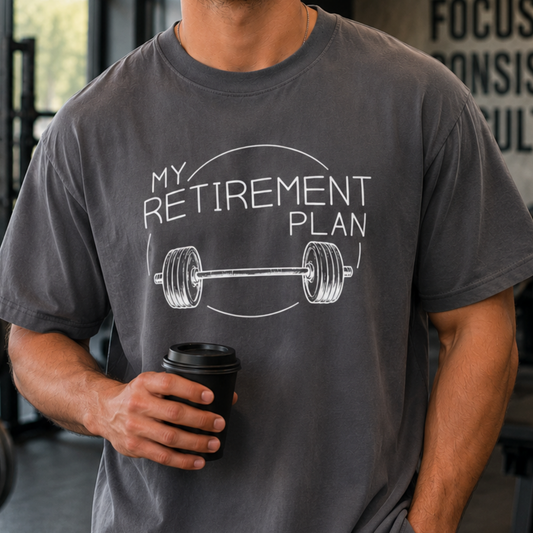
A good workout t shirt does more than just keep you dry. It can change how you feel about your workout. From stepping into the gym to finishing your last set, it matters. Studies show clothes can affect how we see ourselves, our motivation, and how good we feel. A tee that fits well and performs well can help you push harder and stay focused. The gym wardrobe has two jobs. First, it must be practical: it should breathe, wick sweat, and move with you. Second, it shows who you are. The designs, colors, and fit tell others about your athletic goals and style. This mix of practicality and style is why gym shirts are key for both performance and confidence. There are many types of gym shirts, each for a different activity. A snug tee is great for lifting, a tank is cool for cardio, and a loose shirt is comfy for classes or after working out. Both men's and women's workout shirts can be chosen with a purpose. This article is for anyone who works out, whether you're an athlete, a regular gym-goer, or just starting out. We'll talk about why looks and comfort matter, the best designs and fabrics, how shirts work with different workouts, and how to buy and care for them. We'll wrap it all up with a quick summary. Key Takeaways A good workout t shirt blends function and style to influence confidence and performance. Clothing affects self-perception; research links attire to motivation and competence during exercise. Different gym shirts—tees, tanks, long sleeves, and oversized styles—fit specific workout needs. Both workout shirts for men and women's workout tops should prioritize breathability and fit. The article will cover appearance vs. comfort, fabric and design, workout-specific choices, and care tips. 💞Is an Oversized Workout T Shirt Secretly the Best Gym Hack? 💞“Shop our [workout tees designed] for both gym...

Can a stylish workout t shirt boost your confid...

FITFUN FAITH

A good workout t shirt does more than just keep you dry. It can change how you feel about your workout. From stepping into the gym to finishing your last set, it matters. Studies show clothes can affect how we see ourselves, our motivation, and how good we feel. A tee that fits well and performs well can help you push harder and stay focused. The gym wardrobe has two jobs. First, it must be practical: it should breathe, wick sweat, and move with you. Second, it shows who you are. The designs, colors, and fit tell others about your athletic goals and style. This mix of practicality and style is why gym shirts are key for both performance and confidence. There are many types of gym shirts, each for a different activity. A snug tee is great for lifting, a tank is cool for cardio, and a loose shirt is comfy for classes or after working out. Both men's and women's workout shirts can be chosen with a purpose. This article is for anyone who works out, whether you're an athlete, a regular gym-goer, or just starting out. We'll talk about why looks and comfort matter, the best designs and fabrics, how shirts work with different workouts, and how to buy and care for them. We'll wrap it all up with a quick summary. Key Takeaways A good workout t shirt blends function and style to influence confidence and performance. Clothing affects self-perception; research links attire to motivation and competence during exercise. Different gym shirts—tees, tanks, long sleeves, and oversized styles—fit specific workout needs. Both workout shirts for men and women's workout tops should prioritize breathability and fit. The article will cover appearance vs. comfort, fabric and design, workout-specific choices, and care tips. 💞Is an Oversized Workout T Shirt Secretly the Best Gym Hack? 💞“Shop our [workout tees designed] for both gym...

Are You Wearing the Right Exercise T Shirt for ...

FITFUN FAITH

Choosing the right exercise t shirt can change how a workout feels. It affects performance and comfort. The right gym t-shirts manage sweat, keep you cool, and prevent chafing. They also support your body's full range of motion. This guide is for everyone building a workout wardrobe. It covers men and women, from beginners to advanced athletes. You'll learn about different types of shirts, like short sleeves, long sleeves, tanks, and compression shirts. It also talks about fit, whether loose or oversized. exercise t shirt The article mentions well-known brands like Nike, Under Armour, and Lululemon. They show what makes good performance fabrics and designs. You'll also find out about synthetic blends versus cotton, sweat-wicking technologies, and how to care for your shirts. Think about your activity, the weather, and what you like when choosing a shirt. The right one can make your workouts better, more comfortable, and boost your confidence. Key Takeaways The right exercise t shirt improves sweat management, temperature control, and range of motion. Performance and comfort depend on fabric, fit, and intended activity. Short sleeves, tanks, long sleeves, and compression shirts each serve specific training needs. Top brands like Nike, Lululemon, and Adidas set common performance standards to consider. Consider climate, workout type, and personal fit when choosing workout tops. ❤️🔥 Why Do Athletes Swear by Lightweight Exercise T Shirts 💞“Shop our [workout tees designed] for both...

Are You Wearing the Right Exercise T Shirt for ...

FITFUN FAITH

Choosing the right exercise t shirt can change how a workout feels. It affects performance and comfort. The right gym t-shirts manage sweat, keep you cool, and prevent chafing. They also support your body's full range of motion. This guide is for everyone building a workout wardrobe. It covers men and women, from beginners to advanced athletes. You'll learn about different types of shirts, like short sleeves, long sleeves, tanks, and compression shirts. It also talks about fit, whether loose or oversized. exercise t shirt The article mentions well-known brands like Nike, Under Armour, and Lululemon. They show what makes good performance fabrics and designs. You'll also find out about synthetic blends versus cotton, sweat-wicking technologies, and how to care for your shirts. Think about your activity, the weather, and what you like when choosing a shirt. The right one can make your workouts better, more comfortable, and boost your confidence. Key Takeaways The right exercise t shirt improves sweat management, temperature control, and range of motion. Performance and comfort depend on fabric, fit, and intended activity. Short sleeves, tanks, long sleeves, and compression shirts each serve specific training needs. Top brands like Nike, Lululemon, and Adidas set common performance standards to consider. Consider climate, workout type, and personal fit when choosing workout tops. ❤️🔥 Why Do Athletes Swear by Lightweight Exercise T Shirts 💞“Shop our [workout tees designed] for both...