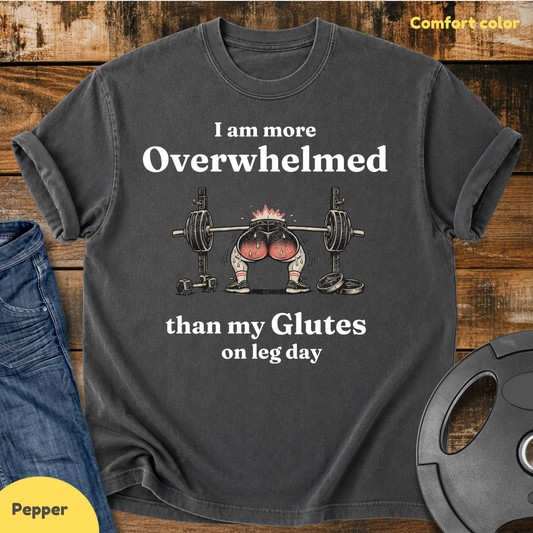
Sore Muscles After Leg Day? Understanding DOMS, Leg Pain Relief & Recovery Tips
Sore muscles after leg day are something every lifter knows too well. Whether it’s your first squat session or an intense leg day targeting major muscle groups, the soreness after exercise can hit hard.
That post-leg day soreness you feel the day after leg day? It’s called delayed onset muscle soreness (DOMS) — and yes, it’s completely normal. But when your legs feel like they’re made of concrete, even walking becomes a challenge.
What Causes Leg Day Soreness? (DOMS Explained)
Leg day involves some of the largest muscle groups in your body, including your quads, hamstrings, and glutes. During intense exercise like squats or lunges, you create microscopic muscle tears in your muscle fibers.
This process, known as exercise-induced muscle damage, is what leads to soreness and stiffness. As your body repairs these tears in the muscle fibers, your muscles grow stronger through muscle protein synthesis.

Why Are You More Sore After a Heavy Leg Day?
The intensity of the workout plays a huge role. A heavy leg day or trying new leg exercises can increase muscle damage, leading to more intense soreness.
If you’re sore to the point where sitting down feels like a full workout — that’s DOMS doing its job.
How to Relieve Sore Muscles After Leg Day
Active Recovery
Light movement, like walking, helps increase blood flow and reduce muscle soreness. Even if your legs hate you, a short walk the day after leg day can help.
Foam Rolling
Foam rolling helps break down tight muscle tissue and ease sore muscles. It may feel painful, but it helps reduce post-workout soreness.
Hydration & Nutrition
Your body needs proper nutrients to support muscle repair and muscle protein synthesis. Protein and carbs help replenish glycogen and speed up muscle recovery.
Pain Relievers (When Needed)
Over-the-counter pain relievers like ibuprofen can help with severe pain, but they should not be your go-to solution every time.
How to Prevent Soreness (Or At Least Reduce It)
You can’t completely avoid soreness after a workout, but you can help prevent extreme soreness.
Tips:
- Gradually increase workout intensity
- Focus on proper form during strength training
- Warm up before intense exercise
- Stay consistent (less soreness over time)
Is Soreness a Good Sign?
Soreness is a natural part of the muscle repair process. It doesn’t always mean a better workout, but it does mean your body is adapting.
Less soreness over time doesn’t mean less progress — it means your muscles recover faster.
The Reality of Leg Day
Let’s be real — leg day isn’t just a workout, it’s an experience.
You go in strong…
You leave questioning your life choices…
And the next day? You’re sore everywhere.
Final Thoughts
Post-leg day soreness may feel brutal, but it’s part of building strength and resilience. Give your muscles the time they need to recover, stay consistent, and embrace the process.
Because if you’ve ever survived an intense leg workout…
You already know — everything hurts.
What is delayed onset muscle soreness after a leg workout?
Delayed onset muscle soreness (DOMS) is the muscle pain and stiffness you feel 24–72 hours after an intense leg workout, especially when focusing on eccentric movements. It’s a form of acute soreness tied to microscopic damage in leg muscles that triggers inflammation and repair processes including muscle protein synthesis and glycogen replenishment. DOMS is a normal part of muscle growth and recovery after leg day, not the same as injury-related leg pain.
Why do I experience leg pain and sore legs after leg day?
Leg pain and sore legs after a session typically result from microtears in muscle fibers, local inflammation, and accumulation of metabolic waste products during an intense workout. Contrary to common belief, lactic acid is not the main cause of prolonged post-workout soreness; lactic acid clears within hours. The continued discomfort is related to repair processes, swelling, and heightened sensitivity as muscles adapt.
How long does soreness after leg day usually last?
Soreness after leg day commonly peaks between 24–48 hours and improves over 3–7 days for most people. Duration depends on workout intensity, previous training status, and recovery techniques used. If acute soreness persists beyond a week or is accompanied by sharp pain, severe swelling, or dark urine, seek medical evaluation to rule out conditions like rhabdomyolysis.
What post-workout recovery methods help ease post-leg day soreness?
Effective post-workout recovery techniques include active recovery (light cycling or walking), gentle stretching, foam rolling, adequate sleep, and proper nutrition to support muscle repair. Prioritize protein to stimulate muscle protein synthesis and carbs to restore glycogen. Contrast baths, massage, and low-intensity movement can reduce perceived leg soreness and improve circulation to clear waste products.
Can I still train legs during muscle recovery after leg day?
You can perform light or low-impact leg workouts during recovery to promote blood flow and reduce stiffness, but avoid high-intensity or heavy-load sessions until soreness subsides. Adjust volume and intensity to focus on recovery rather than pushing for new overload; this helps prevent exacerbating acute muscle soreness while still promoting long-term muscle growth.
How can I speed up muscle recovery and reduce leg soreness?
To speed up muscle recovery, combine sleep optimization, adequate hydration, balanced meals with high-quality protein and carbohydrates, and active recovery. Implement progressive training to avoid sudden intense workouts, use recovery techniques like foam rolling or massage, and consider anti-inflammatory strategies when appropriate. These steps reduce leg soreness and support faster muscle repair and adaptation.
Is it normal to have intense leg day soreness after an intense leg or new exercise?
Yes—intense leg day or trying a new exercise that targets leg muscles differently often causes more pronounced soreness because unaccustomed eccentric loading increases microdamage. This acute soreness is part of adaptation and typically lessens with repeated exposure as your muscles strengthen and recover more efficiently.
What role does nutrition play in recovery after leg day and muscle repair?
Nutrition is crucial: consuming adequate protein supports muscle protein synthesis and repair, while carbohydrates refill muscle glycogen to fuel recovery. Anti-inflammatory foods and omega-3s may help manage inflammation. Timing matters less than overall intake, but post-workout meals that combine protein and carbs can aid immediate post-workout recovery and reduce prolonged leg soreness.
When should I be concerned about leg soreness and seek help?
Seek medical attention if leg soreness is accompanied by severe swelling, intense sharp pain, numbness, weakness that impairs walking, fever, or dark urine. These signs can indicate more than DOMS, such as acute injury or rhabdomyolysis. For typical post-workout soreness, conservative recovery after an intense workout is usually sufficient.
Best Sarcastic & Funny Fitness Shirts for Adults Over 30