How to Choose a Gym T-Shirt That Keeps You Cool and Comfortable All Workout
Choosing the right gym T-shirt can make a huge difference in your workouts. The perfect workout shirt keeps you comfortable, dry, and motivated, allowing you to focus on performance instead of distractions. From moisture-wicking fabrics to the right fit, the materials and design of your shirt play a crucial role in your fitness routine.
In this guide, we’ll break down everything you need to know about gym T-shirts, including types, fabrics, fits, trends, and tips for men and women. By the end, you’ll know how to pick the ideal shirt that helps you stay cool and perform your best.
Understanding Gym T-Shirts
Gym T-shirts are more than just casual clothing—they’re performance gear designed to support your body during physical activity. Choosing the right shirt can reduce discomfort, prevent distractions, and keep you motivated throughout your workout.

What Makes a Good Gym Shirt?
A great workout shirt should combine:
- Breathability – lets air flow to regulate body temperature
- Moisture-wicking ability – pulls sweat away from the skin
- Stretch and flexibility – allows a full range of motion
- Fit and comfort – tailored to your body and training style
- Types of Workout Shirts
Benefits of Breathable Fabrics
Breathable fabrics like polyester blends, bamboo, and performance cotton keep you cool, dry, and comfortable. Moisture-wicking technology prevents chafing and overheating during intense sessions.
Choosing the Right Fit
Oversized vs. Compression Fit
- Oversized shirts provide extra comfort and airflow, ideal for light workouts or casual gym days.
- Compression shirts hug the body, offering support for muscles and improved circulation during high-intensity workouts.


Finding the Best Fit for Your Training Style
Consider your workout type:
- Running or HIIT → lightweight, breathable, tight-fitting
- Weightlifting → flexible fabric, slightly fitted
- Yoga or stretching → soft, loose, comfortable
How to Select a Shirt for Men
Look for shirts designed for male body proportions. Focus on shoulder width, torso length, and arm mobility. Brands often provide men-specific cuts for optimal comfort.
Features to Look for in Gym T-Shirts
Wicking Technology Explained
Moisture-wicking fabrics pull sweat from your skin to the outer surface of the shirt, keeping you dry and reducing irritation.
The Importance of Lightweight Materials
Lightweight fabrics prevent overheating and allow unrestricted movement. A heavy shirt can make workouts uncomfortable and reduce performance.
Performance Shirts for Serious Workouts
For athletes or high-intensity trainers, performance shirts often include mesh panels, ventilation zones, and sweat-resistant materials to maximize comfort and efficiency.
Popular Styles and Trends
Exploring Oversized Fit T-Shirts
Oversized shirts remain a popular choice for casual workouts and streetwear-inspired gym looks. They allow freedom of movement and enhanced airflow.

When to Choose Tank Tops
Tank tops are ideal for hot climates, indoor gyms, or workouts focusing on upper-body strength. They provide maximum arm mobility and keep you cool.
Latest Trends in Gym Apparel
Current trends include:
- Sustainable, eco-friendly fabrics
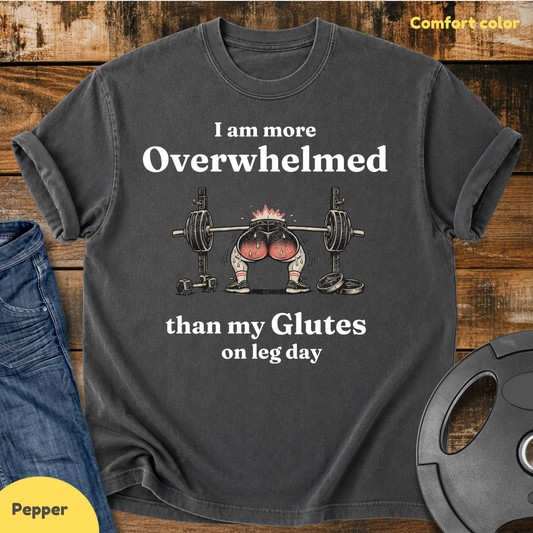
- Bold prints and motivational graphics
- Minimalist and neutral tones for versatile styling
Frequently Asked Questions
How Do I Care for My Gym T-Shirts?
- Wash in cold water with similar fabrics
- Avoid fabric softeners (they reduce moisture-wicking ability)
- Air-dry or tumble dry low
What is the Best Material for Workout Shirts?
- Polyester blends
- Bamboo fabrics
- Performance cotton
| Feature | What to look for | Benefit |
| Fabric type | Polyester, nylon, polypropylene, blends with elastane | Quick-dry, moisture-wicking, reduced friction |
| Ventilation | Mesh panels, ventilated weave | Better heat dissipation during intense workouts |
| Fit | Slim, regular, relaxed; compression options | Optimized range of motion for each workout routine |
| Seam construction | Flatlock seams, raglan sleeves, gussets, tagless | Reduced chafing, greater mobility |
| Care | Wash inside-out, cold water, no softeners, air-dry | Preserves moisture-wicking finish and prints |
| Sustainability | Recycled polyester options from known brands | Longer-lasting gear, reduced environmental impact |
Can I Use Gym T-Shirts for Other Activities?
Yes! Gym T-shirts are versatile enough for running, hiking, yoga, or casual wear. The focus is comfort, moisture control, and mobility.
Is a gym t-shirt or tee better for high-intensity training style?
For high-intensity sets a performance gym t-shirt with sweat-wicking and quick-drying fabrics is generally best; these shirts are designed to handle intense training, wick sweat away from skin, and dry quickly so you stay comfortable during training days and avoid chafing on post-workout cooldowns. Cotton t-shirts feel soft but can retain moisture, while gym tees and workout shirts for men made from premium materials offer a comfortable fit and are built to last through repeated sessions.
How should I choose the right size for my tee or training-style top?
Check the size chart provided by the brand and look for notes like true to size or relaxed fit—shirts are designed with different cuts such as fitted gym, relaxed fit, or oversized t-shirts. Measure chest and length against the chart; if you prefer a relaxed feel for daily wear and rest days choose a loose shirt or relaxed fit, but for performance pick a fitted gym or compression fit for better support and mobility.
Are compression fit gym t-shirt options good for recovery and post-workout use?
Compression fit tees and tanks and sleeveless options can help circulation and muscle support during recovery and post-workout periods, but they should be balanced with comfort—sleeveless gym or short-sleeve compression pieces are common. Shirts are built with targeted compression zones for intense training and also work as comfortable layering pieces for rest days or light activity.
What are the benefits of short sleeve, long-sleeve, or sleeveless gym tees for different workouts?
Short-sleeve and short-sleeve workout t-shirts are versatile for most gym sessions, long-sleeve shirts are great for colder environments or as a clean look layer, and sleeveless gym and tanks provide maximum arm mobility for lifting and high-intensity training. Choose based on training style, temperature, and whether you want more coverage for daily wear or unrestricted movement for the best workout.
Do graphic tees and streetwear-style gym tees perform well during workouts?
Graphic tees and streetwear-inspired gym tees can be both stylish and functional if they use performance gym shirt materials; look for designs that incorporate sweat-wicking and premium materials so shirts are designed to handle sweat and take a beating without fading. For frequent intense training, prioritize shirt features like moisture management over purely aesthetic elements.
How do I pick between relaxed fit, oversized t-shirts, and fitted gym shirts?
Pick a relaxed fit or oversized t-shirts if you value a relaxed feel for casual gym wear or rest days; choose fitted gym shirts for better form visibility and reduced fabric movement during high-intensity sets. Consider the intended use: workout t-shirts for men meant for lifting often favor a fitted or true to size cut, while weekend gym wear can lean oversized or loose shirts for comfort.
What fabric features should I look for in a gym t-shirt to wick sweat and dry quickly?
Look for sweat-wicking, quick-drying and dry quickly claims, plus blends that include polyester, nylon, or technical fibers; these wick sweat and prevent fabric from clinging. Shirts are designed with ventilation and premium materials to wick sweat and stay comfortable during long training sessions, whereas pure cotton t-shirts tend to absorb moisture and dry slowly.
How durable are performance gym shirts and will they take a beating over time?
Performance gym shirts that are built to last use reinforced seams, high-quality blends, and are designed with performance in mind; they resist pilling and fading better than standard cotton t-shirts. For the best shirts in longevity, choose pieces labeled built to last and made from premium materials so they withstand frequent wash-and-wear and maintain shape through many training days.