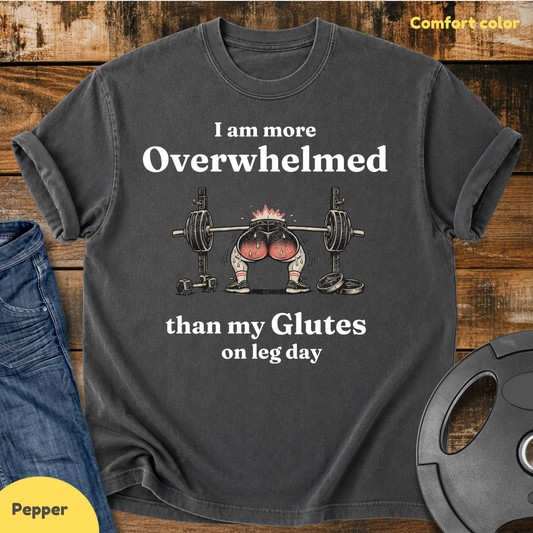
Gym T-Shirt Design Ideas: Workout & Fitness T-Shirts
This guide is all about gym t-shirt design ideas. It focuses on workout and fitness t-shirts that look good, feel great, and meet your brand's needs. We'll cover everything from graphics and fit to printing and production.
If you own a gym, teach fitness classes, or design clothes, this is for you. It's also for small fitness brands and anyone in the U.S. looking for a custom t-shirt or new gym wear. We'll talk about fabrics, fits, trends, colors, fonts, logos, and printing methods.
Our goal is to help you pick the right fabrics and fits for performance. You'll learn about current styles like retro or minimal looks. We'll also cover printing options and how to produce small or large batches with trusted vendors.
The tone is friendly and helpful, written in the third person. We'll mention well-known brands like Nike and Under Armour for credibility. We'll also talk about fabric choices and production options with Printful and Printify.

Key Takeaways
- Gym T-Shirt Design Ideas: Workout & Fitness T-Shirts covers design, materials, and production steps for effective gym apparel.
- Target readers include gym operators, trainers, designers, and individuals wanting a custom t-shirt.
- Focus on performance fabrics, proper fit, and on‑trend styles to boost comfort and brand visibility.
- Choose a printing method—screen, DTG, sublimation, or heat transfer—based on design and run size.
- Use suppliers like Bella+Canvas, Next Level, Printful, or Printify for samples and scaling production.
- ❤️ “Cool gym t-shirt graphic ideas for women”
- ❤️ Explore sweat-wicking gym T-shirts in our T-shirt collection
Gym T-Shirt Design Ideas: Workout & Fitness T-Shirts
Choosing the right gym t-shirt design can change how someone trains and how a brand is seen. Small decisions about seam placement, fabric blends, and cut affect range of motion, chafing, and temperature control. Brands like Nike and Under Armour show how performance fabrics and ergonomic cuts boost recovery and make workouts easier.
Good fitness design turns a simple shirt into recognizable merchandise. A consistent logo, color system, and slogan build loyalty in classes and on social media. Quality gym design also creates revenue through merchandise sales at events and in online stores.
Why the right gym t-shirt design matters for performance and branding
Performance starts with materials. Breathable, moisture-wicking fabrics reduce sweat build-up during intense workout sets. Thoughtful seam placement prevents irritation during lifts and cardio. A well-cut fitness shirt supports movement without feeling restrictive.
Branding relies on repeatable visual cues. A popular gym that uses the same palette and style across shirts, banners, and social posts gains faster recognition. Branded tees double as walking ads when members wear them outside the facility.
How design influences wearer comfort, confidence, and gym culture
Comfort affects consistency. When a shirt moves with the body, wearers stay focused on training goals. Fit choices—slim, relaxed, or compression—shape perception and function during different routines.
Confidence grows from flattering cuts and motivating graphics. A fitness shirt with a smart slogan or clean logo can foster camaraderie in group classes. Theme-driven apparel, like retro prints or team-branded tees, creates a shared identity and strengthens gym culture.
Using the main keyword naturally for SEO and readability
Natural placement of keywords helps discoverability. Use gym, design, gym t-shirt design, and workout shirt in headings, product descriptions, and image alt text. Vary phrasing with fitness shirt, fitness design, gym design, and style to avoid repetition.
Avoid keyword stuffing by writing for readers first. Short descriptive sentences work best for search and for scanning on mobile. Link internally to product pages and blog posts to guide shoppers toward custom gym t-shirt design templates and merchandise listings.
| Design Element | Performance Impact | Branding Value |
| Seam placement | Reduces chafing during high-rep workouts | Appears cleaner on photos and social posts |
| Fabric blend | Controls moisture and odor for longer sessions | Signals quality; raises perceived price point |
| Cut and fit | Supports full range of motion for lifts and cardio | Creates unified look for staff and members |
| Graphics and slogans | Has no direct physical effect but boosts morale | Drives shareable content and community identity |
| Color palette | Can affect heat absorption during outdoor training | Enhances recognition for a popular gym brand |
Popular Gym T-Shirt Styles and Trends for Fitness Wear
Fitness enthusiasts enjoy a variety of t-shirt styles each season. These styles mix comfort, function, and style. They are perfect for both gym workouts and everyday wear.
Classic crewneck and modern performance tees
The crewneck is a favorite for easy workouts and casual days. Brands like Bella+Canvas and Next Level offer soft cuts that fit well. It's great with shorts or joggers for a simple look.
Performance tees are made with tech like polyester and moisture-wicking fabrics. Brands like Under Armour and Nike focus on better movement. They also keep designs simple for better heat control.
Retro and vintage-inspired gym shirt designs
Retro styles bring back the 70s and 80s with bold logos and colors. Brands like Reebok and Adidas mix old-school looks with modern comfort. This creates a unique, vintage vibe.
Designers use sunburst patterns and old-school fonts to add a nostalgic touch. This style is perfect for boutique studios and brands looking for a personal touch.
Compression styles and oversized fits — pros and cons
Compression shirts offer tight support for high-impact workouts. They help with performance and recovery. However, they might feel too tight for some.
Oversized tees are all about comfort and street style. They're great for CrossFit and weightlifting for layering. But, they might trap heat or get in the way during precise movements.
Choosing the right fit is key. Compression is best for quick, intense workouts. Oversized tees are better for lifting or casual training, where you need room to move.
❤️ What are the most popular gym t-shirt graphics this year?
❤️ Find your perfect fit in our best-selling T-shirts
Design Elements to Consider: Graphics, Logos, and Typography
A good shirt design starts with clear graphics. Simple icons like kettlebells or heartbeat lines work well on sleeves and small panels. A large graphic on the back looks great, while a small logo on the front-left chest keeps things balanced.
Logo files are key for print quality. Use scalable vector logos in SVG or AI for sharp edges in screen print, DTG, and embroidery. Embroidery adds texture but is best for small marks. Screen print is great for bold colors, and DTG captures fine details.
Typography should be easy to read in motion. Choose fonts like sans-serif or slab-serif with sturdy strokes for active wear. Thin fonts can disappear on low GSM fabrics or under certain print methods, so test them on t-shirt templates before finalizing.
Composition and visual hierarchy guide the eye. Place the main graphic where the body naturally looks. Pair a bold back graphic with a subtle chest badge for a clean layout. Leave space around each element to avoid clutter.
Contrast and scale help separate messages. A large motivational line across the back can work with a small logo on the front. Make sure to place logos carefully to avoid conflict with seams, zippers, or pockets in performance cuts.
Material and method affect detail. Embroidery lasts long, screen print withstands washes, and DTG captures complex colors. Match graphic complexity and typography choices to the chosen print method to keep clarity.
Iconography and patterns add secondary branding without overwhelming the main message. Use subtle motifs on sleeves or hem tags for consistency. Keep icons simple and use limited palettes for legibility at small sizes.
Brand consistency needs a simple style guide. Record exact color codes like Pantone or HEX, set logo usage rules, and define a typography hierarchy. This makes creating cohesive lines across different garments and print runs easier.
| Design Element | Best Use | Print Method Fit | Notes |
| Logo | Front-left chest, sleeve, or tag | Embroidery for small marks; screen print for bold badges | Use SVG/AI for scalability; set clear logo placement rules |
| Graphic | Back panels or full-front statements | Screen print for solid colors; DTG for complex art | Balance scale with smaller front elements to avoid clutter |
| Typography | Slogans, callouts, brand name | DTG preserves fine details; avoid ultra-thin strokes for screen print | Choose legible fonts for motion; test on t-shirt templates |
| Iconography & Patterns | Sleeves, hems, or subtle repeat prints | Screen print or transfer works well for small runs | Keep motifs simple; use limited colors for clarity |
| Material Considerations | Performance blends, cotton, or low-GSM tees | DTG performs variably; screen print best on stable weaves | Match print type to fabric to protect fine typography |
| Placement Strategy | Front and back combinations | All methods apply depending on size and detail | Use smaller logo placement on front with larger back message for impact |
| Templates & Mockups | Pre-production previews | Useful for any print method | Test t-shirt templates to verify scale, bleed, and logo placement |
Color, Fabric, and Fit: Choosing Materials for Workout T-Shirts
The right mix of color, fabric, and fit makes a gym t-shirt perform well. It also affects how it feels. This guide helps you pick a fitness shirt that's good for many workouts. Brands like Nike, Under Armour, and Lululemon are great options.

breathable gym t-shirt
Best fabric blends for sweat-wicking and breathability
Polyester and its blends are great for managing sweat and drying fast. They're perfect for intense workouts. Cotton blends add softness and comfort, but they soak up more sweat.
Merino wool is a luxury choice for controlling odor and regulating temperature. However, it's pricier and less common in everyday t-shirts.
Fabric weight, GSM, and material notes
For running or intense cardio, choose lighter fabrics around 120 GSM. This keeps you cool and dry. For casual gym wear, 150–180 GSM is a good choice. It's sturdy yet comfortable.
Look at how dyes handle sweat. Some dyes show marks more than others.
Color psychology and palette choices for gym apparel
Bold colors like red and electric blue energize you during tough workouts. Dark colors like charcoal and navy hide sweat and are versatile. Neutral colors like black, white, and gray are great for everyday wear.
Retro colors like mustard and teal are perfect for vintage-inspired collections.
Fit considerations for different workouts and body types
Athletic fit is great for weight training. It allows for full movement. Slim fit is best for cycling and running to reduce wind resistance.
Relaxed fit is perfect for yoga and casual wear. It focuses on comfort.
Sizing guidance and product presentation
Make sure size charts are clear with chest and length measurements. Include model size details on product pages. Visual fit references help buyers choose the right fit.
Small changes in cut and material affect how a t-shirt feels in real workouts. List the fabric blend and care instructions for the best experience.
Custom Gym T-Shirt Design Tips: Creating a Unique Shirt Design
Begin with a clear design brief. It should outline the audience's age, gender mix, common workouts, and the brand's voice. Knowing the style, whether motivational, minimalist, retro, or premium, helps shape the design.
Set measurable goals for the run. These could be merchandise sales, a team uniform, a promotional giveaway, or a retail line. Goals help decide on pricing, fabric, and quantity for a custom fitness collection.
Sketch several initial concepts and refine them. Use mood boards with color swatches, typography samples, and fitness brand references. Quick mockups help the team compare and choose the best design.
Create vector artwork for logos and graphics. This ensures they scale well and print cleanly on a custom t-shirt. Tools like Adobe Illustrator or Affinity Designer are great for this.
Make designs functional by avoiding too much ink. Simple graphics and negative space improve airflow. This makes the gym t-shirt design more comfortable during intense workouts.
Use placement variations to stand out. Try curved chest prints, vertical side logos, hem tags, or sleeve prints. Small accents can make a standard tee unique without overwhelming it.
Incorporate short, legible slogans or class names. Phrases like "6 AM Club" or "Lift Collective" need bold, clear type. This strengthens community ties and reinforces the custom gym identity.
Offer limited editions or seasonal drops. For example, a summer run series can drive urgency and engagement. A timed release increases perceived value and encourages members to buy before it sells out.
Respect legal boundaries by avoiding copyrighted logos or imagery. Teams planning a branded line should consider registering original logos and trademarks. This protects their custom brand and designs.
❤️ What style of gym t-shirt graphics is trending?
T-Shirt Templates, Printing Methods, and Front and Back Print Ideas
Choosing the right t-shirt templates and print methods is key to a great final product. It's important to start with a clear plan. This guide will help you understand common printing options, how to use mockups, and smart placement ideas for your designs.

Screen printing, DTG, heat transfer, and sublimation each have their own uses. Screen printing is great for bold colors and big orders. DTG is perfect for detailed photos and small orders, offering a soft feel. Heat transfer and vinyl are good for adding names and numbers on smaller batches. Sublimation creates bright, all-over prints on polyester.
Testing prints and checking materials is crucial. Different fabrics react differently to heat and ink. A test run can avoid surprises. Small batches let you compare how the print looks and feels before ordering more.
Templates and mockups make designing easier. Use PSD, AI files, or online tools to place your artwork. Show different views to ensure your design looks good from all angles. Mockups help you see how the print will look on the shirt.
Placement is key for readable and durable designs. Small logos work well on the left chest or sleeve. Large graphics and slogans look best on the back. Make sure to leave space from seams to avoid distortion.
When mixing logo and graphic sizes, balance is important. A small logo on the front with a big graphic on the back works well. Choose font sizes that are easy to read from a distance.
| Print Method | Best Use | Fabric | Durability | Cost Profile |
| Screen printing | Solid colors, large runs, bold logos | Cotton, blends | High with proper care | Low per unit for bulk; higher setup |
| DTG | Full-color photos, short runs, soft hand | Combed cotton and blends | Moderate; depends on pretreatment | Higher per unit for small batches |
| Heat transfer / Vinyl | Custom names, numbers, short runs | Various, works on cotton and blends | Moderate; risk of peeling if low quality | Low startup, moderate per unit |
| Sublimation | All-over prints, polyester sportswear | Polyester or high-poly blends | Very high on suitable fabrics | Low per unit for polyester items |
Practical tips can make production easier. Consider stretch and seams when placing art. Prewash samples or adjust settings to prevent shrinkage. Adding care instructions can help extend the life of your prints and keep customers happy.
How to Create the Best Custom Fitness T-Shirts: From Concept to Production
To make the best custom gym clothes, start with a clear plan. This plan should connect the purpose to the production process. A detailed design brief saves time and money. It helps teams and designers go from idea to a real t-shirt that meets expectations.
Design brief essentials: audience, message, and brand voice
A good design brief knows the audience by age, fitness level, and style. It says if shirts are for classes, merchandise, or events. The brief should list the message and any call-to-action. This ensures the tee shows the brand's voice and motivation.
Budget, timeline, printing method, and minimum order quantities are key. Including these details keeps production on track and avoids surprises when approving samples.
Working with designers or DIY tools and t-shirt design apps
Hiring professional designers from places like Upwork, Behance, or Dribbble gives polished designs and clear brand guidelines. Designers can match colors and create artwork ready for printing, whether it's a small batch or bulk.
Non-designers can use apps like Canva, Placeit, or mockup tools to quickly put together designs. These tools help teams test different ideas before deciding on production.
When working together, share brand assets, a sample garment, and the design brief. Clear feedback cycles reduce revisions. This ensures the final gym t-shirts match the brand's voice.
Small-batch vs. bulk printing for gyms and fitness brands
Small-batch and print-on-demand are good for limited releases and testing ideas. Providers like Printful and Printify lower upfront costs. They help teams test sales on ecommerce channels.
Bulk printing lowers the cost per unit at higher volumes. It's best for established programs, wholesale, and large teams. Screen printing often offers the best pricing and durability for big orders.
Choose between small-batch and bulk printing based on demand, storage, and capital. Frequent design changes are better for small-batch. Steady bestsellers are better for bulk production.
| Stage | Key Actions | Best For |
| Concept | Write design brief, define audience, note brand voice | Any brand starting a new line |
| Design | Work with designers or use t-shirt design apps, create vector files | Teams needing polished artwork quickly |
| Sampling | Order pre-production samples, check fit and print color | Quality control before full production |
| Production | Choose small-batch or bulk printing, confirm lead times | Brands balancing cost and flexibility |
| Fulfillment | Set up shipping, storage, or fulfillment partners | Ecommerce stores and gyms selling merchandise |
| Pricing | Calculate unit cost, set retail price to cover margins | Businesses aiming for sustainable profits |
Conclusion
When designing gym t-shirts, it's important to think about both looks and function. The right fabric and fit are key, not just a cool graphic. Look for breathable materials and designs that make sense for workouts.
Make sure your designs are easy to read and understand. Include clear size information and care instructions. This helps keep the print looking good and makes customers happy.
To make great custom gym clothes, start with a clear plan. Use templates and mockups to see how designs will look. Try out small batches before making a big order.
Choose the right printing method for your budget and needs. This ensures your fitness t-shirts and gym wear look and feel great.
Don't be afraid to try new things and listen to what customers say. Use feedback to improve your designs and branding. With the right approach, your custom gym line can grow into a full range of fitness clothes.
❤️ Are graphic gym t-shirts better for workouts or casual wear?
What are the best gym t-shirt design ideas for workouts?
When designing a gym t-shirt for workouts, consider incorporating motivational quotes, bold graphics, or unique patterns that reflect fitness themes. Popular ideas include designs featuring weights, gym equipment, or simple yet impactful text. Choosing breathable fabrics with vibrant colors can also enhance the appeal of your workout t-shirt.
How can I create a unique fitness t-shirt design?
To create a unique fitness t-shirt design, start by brainstorming concepts that resonate with your target audience. Utilize design templates available online, or create your own graphics. You can also experiment with different fonts and color combinations to make your gym t-shirt stand out. Remember to keep the design simple yet eye-catching.
What are the popular styles for gym t-shirts today?
Popular styles for gym t-shirts today include fitted cuts, loose fits, and sleeveless designs. Many prefer moisture-wicking fabrics to enhance comfort during workouts. Retro designs are also making a comeback, blending classic styles with modern graphics. Consider incorporating these elements into your gym t-shirt design for a trendy look.
Where can I find workout t-shirt templates?
You can find workout t-shirt templates on various graphic design platforms, websites specializing in apparel design, or even in design software like Adobe Illustrator. Many online resources provide free and paid templates that you can customize for your specific gym t-shirt design needs.
What graphic elements work best for gym t-shirts?
Graphic elements that work best for gym t-shirts include fitness icons like dumbbells, silhouettes of athletes, and motivational phrases. Bold colors and dynamic shapes can also add visual interest. Ensure that the graphics align with the message you want to convey, whether it's strength, perseverance, or community.
How do I choose the right fabric for gym apparel?
Choosing the right fabric for gym apparel is crucial for comfort and performance. Look for moisture-wicking materials that dry quickly and allow breathability during workouts. Cotton blends are also popular for their softness. Make sure to consider factors like durability and stretch to ensure the fabric meets your fitness needs.
Can I print my own designs on gym t-shirts?
Yes, you can print your own designs on gym t-shirts using various printing methods such as screen printing, heat transfer, or direct-to-garment printing. Many online services can help you create custom t-shirts with your designs. Be sure to choose a reputable printing service to ensure high-quality results.
What makes a gym t-shirt design effective?
An effective gym t-shirt design is one that communicates a clear message while being visually appealing. Use bold typography, engaging graphics, and a cohesive color scheme to draw attention. It's also important to ensure that the design is versatile enough to be worn in various settings, from workouts to casual outings.
❤️ How to Choose the Right Gym T-Shirts Graphic Guides
Thanks for reading!